

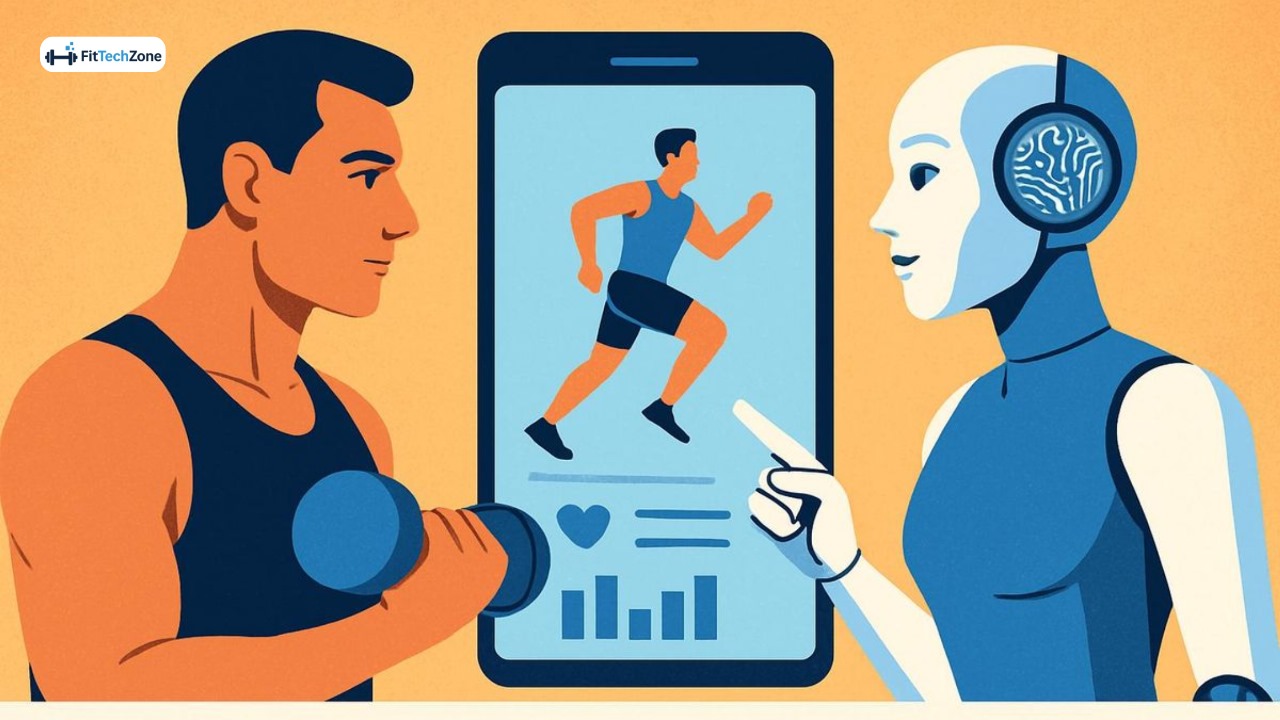
The Rise of AI-Powered Personal Trainer at Home
Home workouts have evolved far beyond yoga mats and online tutorials. In 2025, the fitness world is being reshaped by AI-driven personal trainers, motion-sensing wearables, and smart mirrors that analyze movement, form, and performance in real time. Whether you are a busy professional, a stay-at-home parent, or someone seeking flexibility in your fitness routine, having a personal trainer at home is now more accessible and affordable than ever.
According to a 2025 report by Statista, the global AI fitness market is projected to reach $12.3 billion, marking a 70% increase since 2022. This rapid rise of AI trainers and smart fitness systems is transforming how we understand body mechanics, recovery, and motivation.
1. What Is an AI Personal Trainer?
An AI personal trainer replicates the role of a human coach using algorithms and computer vision. These intelligent systems provide personalized workout plans, track progress, and offer form corrections instantly.
For example, your smart mirror might correct your posture mid-squat, or your wearable device might suggest slowing your reps to maintain proper heart rate zones.
AI trainers adapt to your behavior and physiology, learning how you perform and improving their recommendations with every session.
Companies such as Tempo, Mirror by Lululemon, and Freeletics AI Coach are pioneering this technology, reducing workout-related injuries by up to 40% through real-time motion feedback.
2. How Smart Tech Is Transforming Home Fitness
Artificial intelligence combined with smart sensors and wearables has made fitness more interactive, data-driven, and personalized.
Smart Mirrors and Virtual Coaches
Devices like Tonal and Mirror use motion sensors and AI algorithms to monitor workouts and provide corrections instantly. They also log your past workouts to adjust your next routine based on fatigue, progress, and form.
Smart Watches and Wearable Sensors
Modern wearables such as the Apple Watch Ultra, Fitbit Sense, and Whoop now track heart rate variability, sleep recovery, oxygen saturation, and even stress levels, offering insights that were once available only in professional athletic labs.
AI-Powered Fitness Apps
AI fitness apps like Centr, Fitbod, and Freeletics analyze your performance metrics to build adaptive training plans that change dynamically according to your daily readiness and recovery scores.
Home fitness has become a data-powered ecosystem—your living room now doubles as your gym, trainer, and performance lab.

3. Why AI Personal Trainers Outperform Traditional Trainers
While traditional personal trainers bring human empathy and motivation, AI trainers offer consistency, affordability, and precision analytics.
| Feature | Traditional Trainer | AI Trainer |
| Cost | ₹3,000–₹8,000/month | ₹500–₹1,500/month (app-based) |
| Availability | Fixed hours | 24/7 accessibility |
| Feedback | Subjective | Data-driven and instant |
| Personalization | Based on experience | Algorithmic and adaptive |
| Progress Tracking | Manual logs | Automated and measurable |
AI trainers democratize fitness—making it accessible to all, regardless of budget or location, and offering measurable, science-backed improvement over time.
4. Nutrition Integration: How AI Knows What You Should Eat
Today’s AI personal trainers go beyond workouts—they integrate with nutrition systems to deliver a complete wellness plan.
Tools like MyFitnessPal and Lumen analyze metabolism, caloric burn, and meal composition to suggest personalized diets. For instance, if your AI app detects fatigue or reduced recovery, it might recommend nutrient-dense meals like a mushroom protein bowl or banana-spinach smoothie to restore balance naturally.
A 2024 study in the Journal of Sports Science & Technology found that AI-guided nutrition tracking improved user consistency by 48%, proving that combining fitness and dietary AI insights leads to better outcomes.
5. Challenges and Ethical Considerations
Despite its promise, AI fitness has some limitations and ethical concerns:
- Data privacy: Fitness AI platforms collect vast amounts of biometric data, making secure storage and privacy a top priority.
- Motivation gap: Some users still prefer human encouragement, which AI cannot fully replicate.
- Accuracy issues: Motion detection accuracy may vary based on lighting, camera positioning, or device calibration.
However, modern systems are addressing these issues through end-to-end encryption, machine learning updates, and hybrid coaching models that blend AI precision with human empathy.
6. The Future of Home Fitness: AI Meets AR and VR
The next big wave in home fitness will merge AI with Augmented Reality (AR) and Virtual Reality (VR) to create immersive, gamified workouts.
Imagine wearing AR glasses that project a virtual trainer into your living room, correcting your form and tracking your progress in real-time.
Platforms such as Meta Quest Fit and Supernatural VR Fitness are already leading this revolution.
According to the GlobalData Fitness Trends Report, by 2027 nearly 40% of home workouts will involve AR or VR integration, allowing users to train in realistic environments without leaving home.
7. Expert Insight: Why AI Fitness Is the Future
Dr. Riya Mehta, Sports Scientist specializing in AI Fitness Research, India, explains:
“AI trainers don’t just count reps—they analyze movement patterns, detect fatigue, and predict injuries before they happen. This makes training not only efficient but safer and more data-informed than ever before.”
At FitTechZone, we believe that AI will not replace human trainers—it will amplify them. The future of fitness is hybrid: AI systems will provide data-driven coaching, while human trainers will continue to inspire, mentor, and push boundaries.
FAQs
- Can AI personal trainers replace human ones?
Not completely. While AI provides precision, data insights, and consistency, human trainers offer emotional support, accountability, and customization beyond algorithms. - Are AI fitness apps safe to use?
Yes, provided you choose platforms with transparent privacy policies like Fitbod and Freeletics, which comply with GDPR and Apple’s privacy standards. - What is the best AI personal trainer app in 2025?
Top-rated apps include Fitbod, Centr, Freeletics, and Future App, each offering adaptive workout plans and detailed progress analytics. - Is AI fitness suitable for beginners?
Absolutely. Most apps start with posture assessments and introductory programs that adapt as your strength, endurance, and confidence grow.
Also Read:
- AI in Wellness: How Technology Is Transforming Health Habits
- Best Fitness Gadgets of 2025 You Need to Try
External Links (Credible Sources)
- Statista: AI Fitness Market Growth
- Freeletics AI Coach Official Page
- GlobalData Fitness Trends Report 2024
Conclusion: Fitness Has Entered Its Smartest Era
The personal trainer of 2025 is not just human—it’s intelligent, data-driven, and available 24/7. AI and smart fitness technologies have turned homes into personalized gyms, enabling everyone to achieve results once reserved for elite athletes.
As technology evolves, fitness is becoming more personalized, efficient, and sustainable than ever before. Whether you are toning muscles, managing weight, or simply building consistency, AI is here to make your fitness journey smarter—not harder.
Stay tuned to FitTechZone.com for expert insights, health innovations, and the latest in smart fitness trends.


