

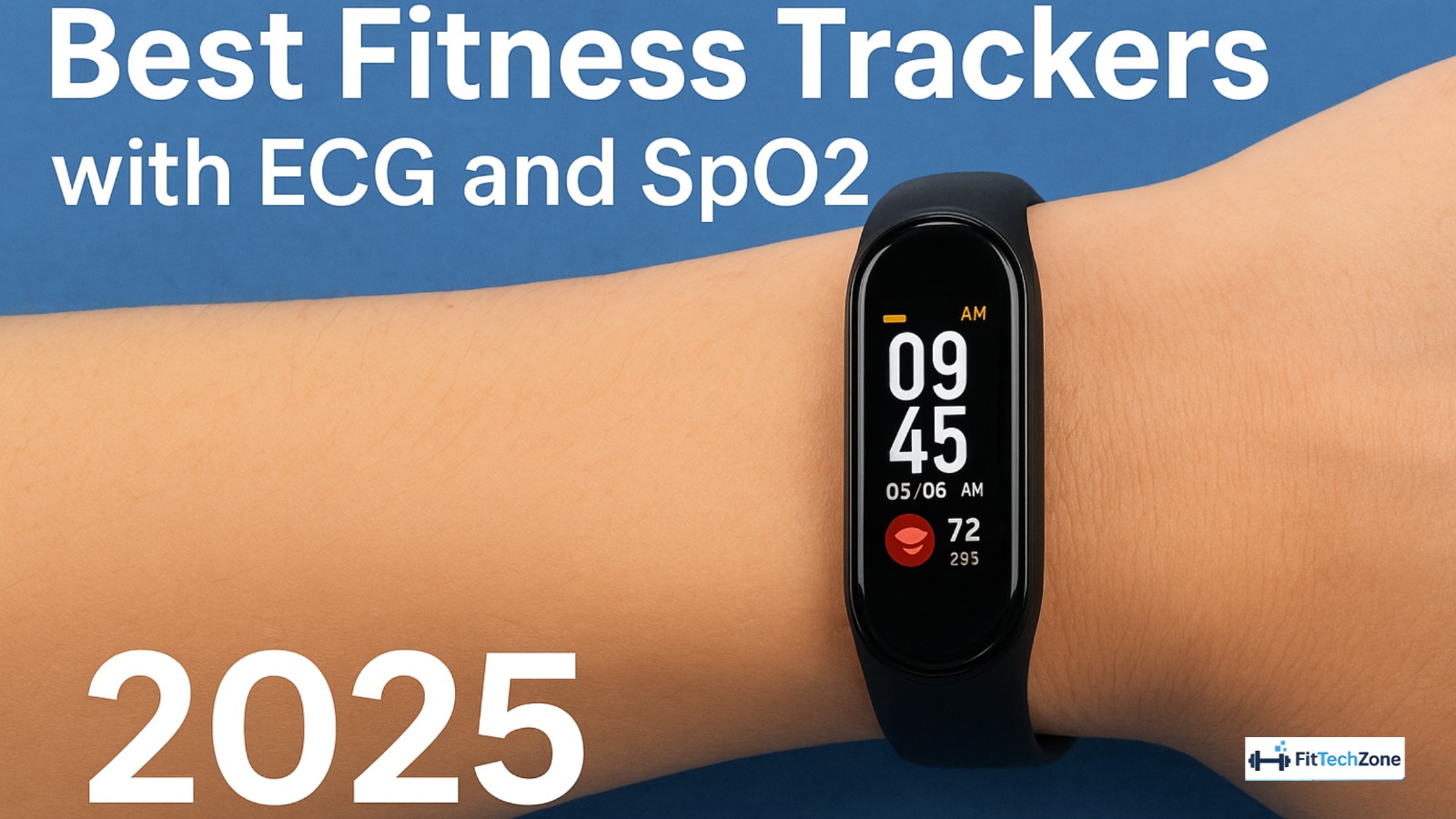
Breaking Update: The landscape of personal health monitoring has undergone a remarkable transformation in 2025, with advanced smartwatch with ECG and SpO2 in 2025sensors becoming mainstream wellness companions. These sophisticated wearables offer electrocardiogram capabilities alongside continuous blood oxygen monitoring—features that were exclusively hospital-based just years ago. As a diet counsellor at HUDA POLYCLINIC with a background in Food Science and Nutrition, I’ve observed how these devices empower individuals to take proactive control of their cardiovascular and respiratory wellness. Whether you’re managing chronic conditions, optimizing athletic performance, or simply prioritizing preventive care, understanding ECG and SpO2 technology in fitness trackers has become essential for informed health decisions in today’s data-driven wellness ecosystem.
WHY ECG AND SpO2 MONITORING MATTER FOR YOUR HEALTH
The integration of electrocardiogram and blood oxygen monitoring into consumer fitness trackers represents a paradigm shift in personal health management. Medical experts increasingly recognize wearable ECG technology as valuable for early detection of cardiac irregularities, particularly atrial fibrillation—a condition affecting millions globally and responsible for significant stroke risk.
Understanding ECG Technology in Wearables:
Electrocardiogram sensors in smartwatch measure the electrical activity of your heart, detecting rhythm irregularities that traditional heart rate monitors miss. This technology creates a complete circuit across your body—typically by placing your finger on the watch crown while wearing the device—allowing the sensors to capture your heart’s electrical signals. The data generated can be exported as PDF reports and shared with healthcare providers for professional evaluation, bridging the gap between consumer wellness tracking and clinical care.
The Critical Role of SpO2 Monitoring:
Blood oxygen saturation (SpO2) measures the percentage of oxygen-carrying hemoglobin in your bloodstream. Normal levels range between 95-100%, and consistent readings below this threshold warrant medical consultation. Post-pandemic awareness has elevated SpO2 monitoring from niche athletic tool to essential health metric. Continuous oxygen monitoring helps identify respiratory issues, sleep apnea, and altitude-related concerns while providing athletes with recovery insights through oxygen efficiency tracking during training.
As someone who was a sports enthusiast and competed at intercollegiate and state-level competitions, I understand that optimal performance requires comprehensive awareness of your body’s internal metrics. ECG and SpO2 data provide the quantifiable insights necessary to balance intensity with recovery, ensuring sustainable health practices rather than counterproductive overtraining.
TOP MEDICAL-GRADE FITNESS TRACKERS WITH ECG AND SpO2 IN 2025
After analyzing current market offerings and clinical accuracy studies, these devices stand out for their comprehensive health monitoring capabilities:
- Withings ScanWatch 2 – The Clinical-Grade Champion
This hybrid smartwatch earned FDA approval for its original model’s SpO2 readings, establishing medical credibility rare in consumer wearables. The ScanWatch 2 features irregular rhythm notifications that passively detect signs of atrial fibrillation directly from your wrist, combined with enhanced sleep cycle tracking and body temperature monitoring through its new algorithm. Its 30-day battery life eliminates the frequent charging frustration common with feature-rich smartwatches, while the timeless analog design appeals to those seeking health technology without conspicuous tech aesthetics.
Best For: Health-conscious professionals wanting clinical-grade accuracy in elegant form factor
- Apple Watch Series 10 – The Ecosystem Integrator
Apple’s latest iteration continues refining its FDA-cleared ECG app, now with enhanced algorithms for detecting subtle heart rhythm abnormalities. The watch captures 15-second blood oxygen spot-checks and monitors levels during sleep, automatically syncing data to the comprehensive Health app ecosystem. Integration with iOS enables seamless sharing of ECG graphs with healthcare providers, transforming the watch into a genuine medical documentation tool. The fall detection and emergency SOS features add safety dimensions particularly valuable for individuals with known cardiac conditions or elderly users.
Best For: iPhone users seeking seamless health data integration and comprehensive app ecosystem
- Samsung Galaxy Watch 7 – The Android Powerhouse
Samsung’s BioActive Sensor delivers accurate ECG readings alongside advanced body composition analysis and detailed sleep pattern tracking. The watch excels in providing AI-powered health insights through Galaxy AI, offering personalized recommendations based on accumulated data trends. Its comprehensive 90+ workout modes cater to diverse fitness approaches, from traditional gym training to yoga—a discipline I appreciate for its holistic health benefits based on my sports background. The watch’s integration with Samsung Health creates a robust platform for long-term wellness tracking.
Best For: Android ecosystem users and fitness enthusiasts wanting AI-driven health insights
- Fitbit Sense 2 / Charge 6 – The Wellness Specialist
Fitbit uniquely offers ECG capability in both smartwatch (Sense 2) and fitness tracker (Charge 6) form factors. The Charge 6 stands as the only fitness band format capable of ECG readings, making it ideal for those preferring minimalist wearables. Both devices feature electrodermal activity (EDA) scanning for stress monitoring—a feature I find particularly relevant given the connections between chronic stress and overall wellness that I encounter in my nutrition counselling work at HUDA POLYCLINIC. The continuous heart rhythm scanning using PPG sensors provides passive atrial fibrillation detection without manual testing.
Best For: Minimalist users and individuals prioritizing stress management alongside cardiac monitoring
- Garmin Venu 4 – The Athletic Performance Monitor
Garmin brings its legendary fitness tracking precision to medical-grade health monitoring with the Venu 4’s ECG functionality and Pulse Ox blood oxygen tracking. The device offers 10-day battery life in smartwatch mode, comprehensive workout recommendations based on recovery status, and detailed athletic performance analytics. Its Health Status feature provides easier SpO2 data comparison over time, helping athletes and serious fitness enthusiasts optimize training intensity based on physiological readiness.
Best For: Serious athletes and outdoor enthusiasts requiring durability with advanced fitness metrics
UNDERSTANDING THE HEALTH BENEFITS: A NUTRITION PROFESSIONAL’S PERSPECTIVE
Having studied Food Science and Nutrition at SNDT Women’s University and Indira Gandhi National Open University, I’ve learned that effective health management requires understanding how different body systems interconnect.
Cardiovascular Health Monitoring:
Atrial fibrillation often presents asymptomatically, yet significantly increases stroke risk. Research indicates that continuous heart rhythm monitoring through wearables enables early detection, allowing timely medical intervention before serious complications develop. For individuals with family history of cardiac disease or those experiencing occasional palpitations, having ECG capability provides both peace of mind and actionable data for healthcare consultations.
Respiratory Health Surveillance:
SpO2 monitoring extends beyond COVID-19 concerns to encompass broader respiratory health. Individuals with asthma, COPD, or sleep apnea benefit from continuous oxygen tracking that reveals patterns invisible to intermittent clinical measurements. In my work as a diet counsellor, I’ve observed how oxygen saturation data can complement dietary interventions—particularly for individuals managing inflammatory conditions through nutritional approaches.
Sleep Quality Optimization:
The combination of SpO2 monitoring during sleep with heart rate variability analysis provides comprehensive sleep quality assessment. Poor sleep quality disrupts hormonal balance, affecting everything from hunger hormones to stress hormones, ultimately impacting weight management and metabolic health—areas I focus on in my counselling practice at HUDA POLYCLINIC.
CHOOSING THE RIGHT ECG AND SpO2 FITNESS TRACKER
Consider Your Primary Health Goals:
If cardiac monitoring is paramount due to family history or symptoms, prioritize devices with FDA-cleared ECG apps like Apple Watch or Withings ScanWatch. For respiratory concerns or altitude training, emphasize continuous SpO2 monitoring capabilities found in Garmin and Samsung devices.
Evaluate Accuracy Requirements:
Consumer wearables provide wellness data, not diagnostic medical information. While devices like Withings have demonstrated clinical-grade accuracy in studies, they supplement rather than replace professional medical monitoring. For serious health conditions, use wearable data as conversation starters with healthcare providers rather than definitive diagnoses.
Battery Life Versus Features:
Medical-grade sensors consume significant power. Apple Watch requires daily charging, while Withings ScanWatch offers 30-day endurance. Determine whether comprehensive smart features justify frequent charging or if extended battery life better suits your lifestyle.
Ecosystem Compatibility:
Ensure your chosen device integrates seamlessly with your smartphone platform. iOS users benefit most from Apple Watch integration, while Android users should prioritize Samsung or Wear OS devices for optimal functionality.
EXPERT ANALYSIS AND FUTURE TRENDS
The convergence of consumer electronics and medical-grade health monitoring represents one of the most significant healthcare accessibility advances of our generation. Industry analysts project the wearable health technology market will exceed $265 billion by 2025, driven by increasing consumer demand for preventive health tools and technological advancements making clinical-grade sensors affordable.
Emerging Capabilities on the Horizon:
Expect 2026 to bring non-invasive blood pressure monitoring and continuous glucose tracking without finger pricks, and enhanced AI algorithms providing predictive health insights rather than merely reactive data reporting. These advances will transform fitness trackers from passive monitors into proactive health management systems.
The Democratization of Medical Monitoring:
As someone who applies scientific approaches to health communication—which I’m exploring through my internship at Rank Soldier Digital Marketing Scientists—I’m encouraged by how these technologies democratize medical-grade monitoring. Communities without easy healthcare access gain unprecedented ability to monitor vital health metrics, potentially enabling earlier intervention and improved health outcomes.
CONCLUSION
The integration of ECG and SpO2 monitoring into mainstream fitness trackers represents a profound shift in personal health empowerment. These devices provide actionable insights into cardiovascular and respiratory function, enabling proactive health management previously impossible without clinical settings. Whether you’re an athlete optimizing performance, an individual managing chronic conditions, or simply someone committed to preventive wellness, investing in a medical-grade fitness tracker offers tangible health benefits supported by emerging clinical evidence.
Choose devices aligned with your specific health priorities, ecosystem preferences, and lifestyle requirements. Remember that while these wearables provide valuable data, they complement rather than replace professional medical guidance. Use the insights gained to have informed conversations with healthcare providers, creating collaborative approaches to your wellness journey.

As we advance into an era where technology and healthcare increasingly intersect, embracing evidence-based monitoring tools positions you at the forefront of preventive health—a philosophy I embrace in my work as a diet counsellor focused on holistic wellness approaches.
UNIQUE FREQUENTLY ASKED QUESTIONS
- How accurate are fitness tracker ECG readings compared to hospital electrocardiograms?
Consumer fitness tracker ECGs provide single-lead readings, while hospital ECGs use 12 leads for comprehensive assessment. Studies show wearable ECG technology achieves approximately 87.8% sensitivity and 97.4% specificity for atrial fibrillation detection when compared against medical-grade 28-day ECG patches. While not replacing clinical diagnostics, they effectively identify irregular rhythms warranting professional evaluation. The FDA clearance obtained by devices like Apple Watch and Withings indicates clinical validation of their basic accuracy for intended uses.
- Can SpO2 monitoring on fitness trackers detect COVID-19 or respiratory infections?
SpO2 sensors detect blood oxygen saturation drops that may indicate respiratory compromise, but cannot diagnose specific infections. COVID-19 sometimes causes characteristic oxygen level declines before obvious symptoms appear, making continuous monitoring potentially valuable for early awareness. However, many factors affect SpO2 readings—altitude, anemia, circulation issues—so isolated low readings require comprehensive medical evaluation rather than self-diagnosis. Use wearable SpO2 data as one indicator within broader symptom assessment.
- Do I need medical knowledge to interpret ECG and SpO2 data from my fitness tracker?
Modern fitness trackers provide simplified interpretations like “normal rhythm” or “irregular rhythm detected” alongside raw data. While basic understanding helps, these devices are designed for consumer use without medical expertise. The key is recognizing when data suggests professional consultation—persistent irregular rhythms, consistently low SpO2 readings, or readings accompanied by symptoms like chest pain, dizziness, or shortness of breath. Export detailed reports to share with healthcare providers for professional interpretation.
- How often should I take ECG readings on my fitness tracker?
For individuals without known cardiac conditions, weekly ECG spot-checks suffice for baseline monitoring. If experiencing palpitations, chest discomfort, or unusual fatigue, take readings during symptoms to capture potential irregularities for medical review. Some devices like Fitbit Sense 2 offer passive rhythm monitoring throughout the day, reducing need for manual checks. Individuals with diagnosed conditions should follow healthcare provider recommendations for monitoring frequency.
- Will fitness tracker ECG and SpO2 monitoring drain battery quickly?
ECG readings typically consume minimal power as they’re spot-checks lasting 30-60 seconds. Continuous SpO2 monitoring significantly impacts battery life, often reducing it by 30-40%. Most devices allow you to choose between spot-check SpO2 measurements and continuous monitoring. For optimal battery life, enable continuous SpO2 only during sleep or specific activities requiring close monitoring, using spot-checks for general wellness tracking.
- Are fitness trackers with ECG and SpO2 safe for people with pacemakers or implanted cardiac devices?
Consult your cardiologist before using any wearable with ECG capability if you have implanted cardiac devices. While modern pacemakers typically aren’t affected by fitness tracker ECG sensors, individual device interactions require professional assessment. The electromagnetic fields from wearables are generally minimal, but medical device manufacturers provide specific compatibility guidelines. Your healthcare provider can advise whether specific fitness trackers are safe for your situation and how to interpret readings with implanted devices present.
- Can fitness tracker SpO2 readings replace pulse oximeters for medical monitoring?
Fitness tracker SpO2 sensors provide estimates useful for wellness trends but aren’t approved for medical diagnosis or treatment decisions. Medical-grade pulse oximeters undergo rigorous accuracy testing and FDA approval, typically achieving ±2% accuracy. Fitness trackers may vary by ±4-6% depending on conditions. For medical conditions requiring precise oxygen monitoring (COPD, severe asthma, post-surgical recovery), continue using prescribed medical-grade devices while treating fitness tracker data as supplementary wellness information.
- What SpO2 levels should concern me on my fitness tracker?
Normal SpO2 ranges from 95-100%. Readings of 90-94% warrant attention—note whether they’re consistent or isolated, and whether accompanied by symptoms. Readings below 90% require immediate medical evaluation. However, context matters: altitude affects readings (lower at high elevations), and skin tone, nail polish, and poor sensor contact cause inaccuracies. If concerned about consistently low readings, verify with a medical-grade pulse oximeter and consult healthcare providers rather than relying solely on fitness tracker data.
- Do fitness trackers with ECG require subscriptions for full functionality?
Most fitness trackers include basic ECG and SpO2 functionality without subscriptions. However, brands like Fitbit offer premium subscriptions providing deeper health insights, advanced analytics, guided programs, and detailed health reports beyond raw data access. Apple Watch ECG works fully without subscriptions, though Apple Fitness+ subscription adds workout content. Evaluate whether free features meet your needs before committing to subscription services—basic cardiac monitoring typically doesn’t require paid tiers.
- How do I know if my fitness tracker’s ECG detected something serious?
Fitness trackers typically categorize ECG results as “sinus rhythm” (normal), “atrial fibrillation” (irregular rhythm), “high/low heart rate,” or “inconclusive.” Any reading other than sinus rhythm warrants medical consultation, especially if recurring or accompanied by symptoms. Save and export ECG graphs for your healthcare provider. Remember that single irregular readings don’t necessarily indicate serious problems—occasional premature beats are common. Consistent irregularities, readings with symptoms, or atrial fibrillation notifications should prompt timely medical evaluation for professional assessment.
EXTERNAL RESOURCES & DISCLAIMER
This comprehensive guide synthesizes information from leading health technology sources, medical research, and professional health monitoring standards. For the latest updates on wearable health technology regulations and clinical validation studies, readers should consult:
- LiveMint for Indian market health technology coverage
- NDTV for health and technology news updates
- Hindustan Times for comprehensive wellness reporting
- Economic Times for healthcare industry analysis
- Times of India for health technology trends
DISCLAIMER
Medical Disclaimer: This article provides educational information about fitness tracking technology and should not replace professional medical advice, diagnosis, or treatment. The author is a diet counsellor with academic qualifications in Food Science and Nutrition but is not providing medical consultation through this content. Fitness trackers with ECG and SpO2 monitoring are wellness devices, not medical diagnostic tools. Always consult qualified healthcare providers regarding cardiac symptoms, respiratory concerns, or any health conditions requiring medical monitoring.
Product Information: Device specifications, features, and availability are subject to change. Prices, regional availability, and regulatory approvals vary by location. Verify current product details with official manufacturers before purchasing.
Accuracy Disclaimer: While modern fitness trackers achieve impressive accuracy, they provide estimates rather than medical-grade measurements. Use wearable health data as supplementary wellness information alongside professional medical monitoring when managing health conditions.
Copyright Notice: All brand names, product names, and trademarks mentioned belong to their respective owners. This independent review article is created for informational purposes and is not sponsored by or affiliated with any manufacturer mentioned.


