

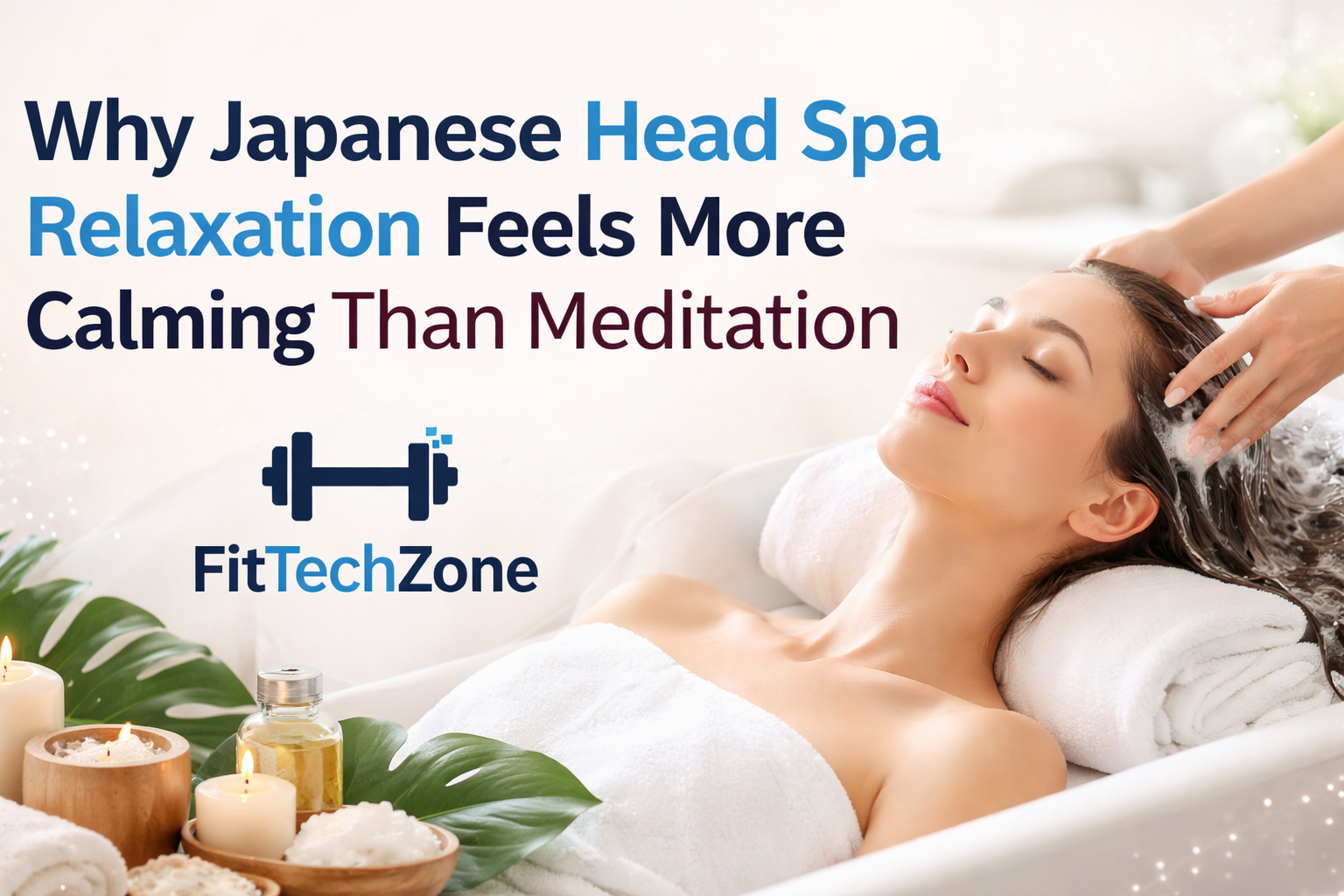
Introduction to japanese head spa relaxation
For many people, meditation is recommended as the ultimate solution for stress. Yet, not everyone finds peace in sitting still with their thoughts. When the mind is already overloaded, forcing silence can feel uncomfortable rather than calming. This is where japanese head spa relaxation offers a different experience — one that begins with the body and allows the mind to settle naturally, without effort or expectation.
The Body Reaches Calm Before the Mind
Meditation often requires focus, awareness, and mental discipline. When stress levels are high, this mental effort can feel exhausting. Japanese head spa relaxation works in the opposite direction. Gentle scalp movements, warm water flow, and rhythmic touch send calming signals directly to the nervous system.
As physical tension releases from the scalp and upper neck, blood circulation improves and breathing slows down. The brain receives a clear signal of safety. Calm isn’t chased — it arrives on its own.
Also Read: Is Japanese Head Spa Good for Psoriasis? Expert Insights & Scalp Health Benefits
Why It Feels Easier Than Meditation
Many people struggle with meditation because their thoughts refuse to slow down. Trying to “control” the mind often increases frustration. Japanese head spa relaxation does not demand attention or control. Instead, it gently engages the senses in a soothing, repetitive way.
The sound of flowing water, consistent pressure, and predictable rhythm help quiet mental noise naturally. Brain activity gradually shifts into slower patterns associated with relaxation and rest, without conscious effort.
Nervous System Response Makes the Difference
Stress keeps the body in a constant alert state. Meditation aims to calm this state from the top down. Japanese head spa relaxation works from the bottom up, calming the nervous system first.
When the nervous system shifts into a rest-and-repair mode, heart rate stabilises, muscle tension reduces, and stress hormones begin to lower. This biological response explains why many people feel mentally lighter during and after a head spa session — the body no longer feels the need to stay on guard.
Why Some People Feel Deeper Calm
Not everyone responds well to stillness-based relaxation. People experiencing anxiety, burnout, or emotional fatigue often find silence overwhelming. Japanese head spa relaxation provides comfort through physical reassurance rather than mental effort.
The calming effect feels deeper because it removes pressure. There is nothing to achieve, nothing to focus on, and nothing to “get right.” This absence of performance allows the mind to rest in a way meditation sometimes cannot.
Long-Lasting Effects Beyond the Session
Stress is often stored physically before it shows up mentally. Tight scalp muscles, jaw tension, and shallow breathing all feed mental overload. Japanese head spa relaxation releases this stored tension, reducing stress signals sent back to the brain.
As a result, many people notice:
-
better sleep the same night
-
fewer tension headaches
-
calmer thoughts that last for hours
The calm doesn’t end when the session does.
Conclusion
Meditation is powerful, but it isn’t universal. For people who struggle to quiet their thoughts through mental effort alone, japanese head spa relaxation offers a gentler path to calm. By soothing the body first, it allows the mind to follow naturally — without struggle, pressure, or expectation.
Sometimes, true relaxation doesn’t come from trying harder to be calm.
It comes from being gently guided there.
FAQs
Is Japanese head spa relaxation better than meditation?
Japanese head spa relaxation isn’t better or worse — it’s different. Meditation works through mental focus, while head spa relaxation calms the nervous system through physical cues. People who struggle with mental stillness often find this approach easier and more effective.
How long do the calming effects usually last?
The calming effects of Japanese head spa relaxation can last anywhere from a few hours to an entire day, depending on stress levels, sleep quality, and nervous system sensitivity. Many people notice improved sleep the same night.
Can Japanese head spa relaxation help people with anxiety or burnout?
Yes. Because Japanese head spa relaxation reduces physical tension and stress signals in the body, it can be especially helpful for people experiencing anxiety, emotional exhaustion, or burnout — without requiring mental effort.
How often should someone do a Japanese head spa for relaxation?
For stress relief, once every two to four weeks is usually enough. Frequency should depend on individual stress levels and how the body responds after each session.
Is Japanese head spa relaxation suitable for everyone?
Most people tolerate it well, but those with scalp infections, severe migraines, or medical restrictions should consult a healthcare professional before trying it.
Disclaimer
This content is for informational purposes only and does not replace medical or mental health advice. Responses to relaxation therapies vary from person to person. Consult a qualified healthcare professional if you have any medical or psychological concerns.


