

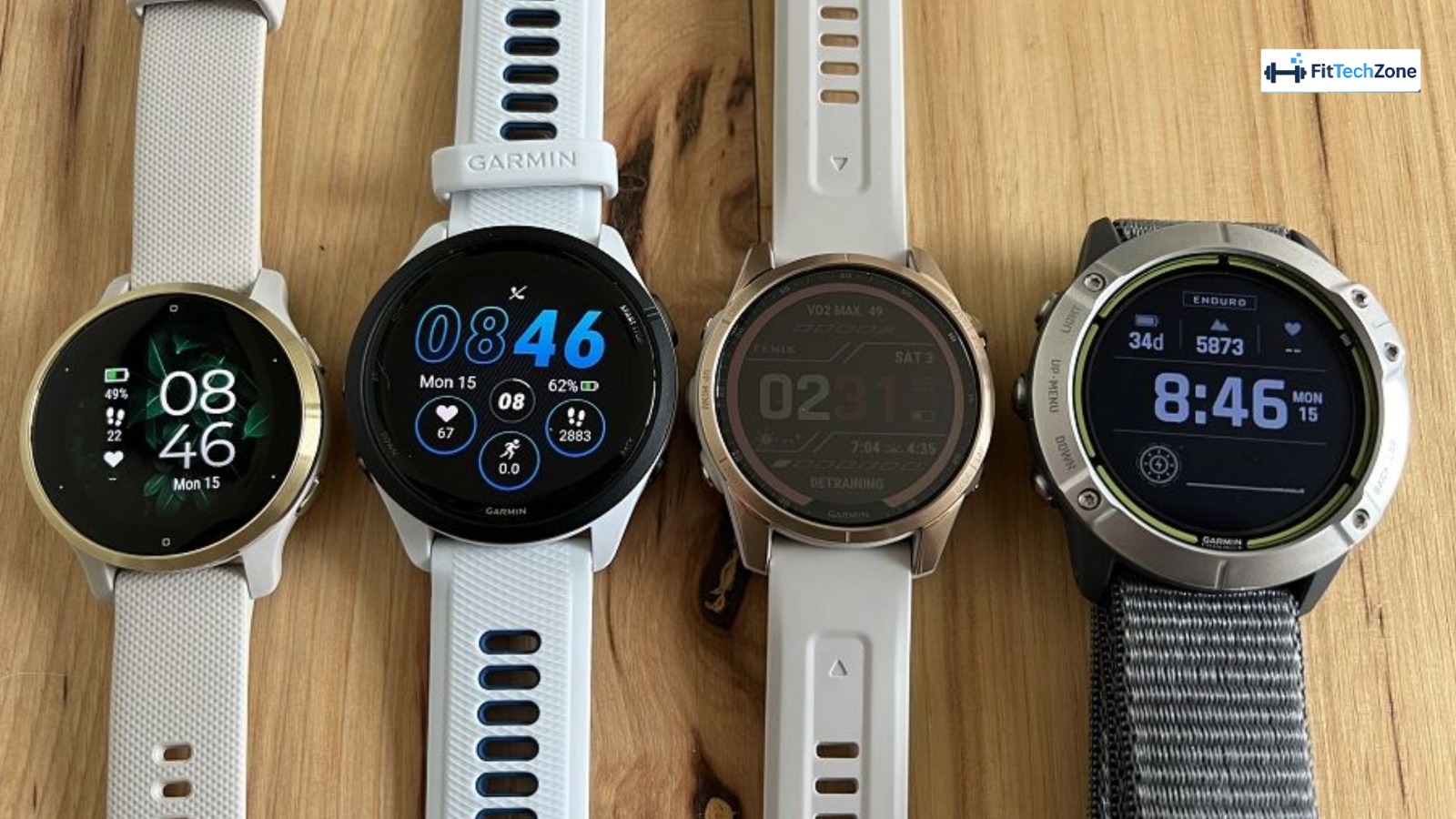
Starting your running journey shouldn’t require breaking the bank with an expensive smartwatch. Recent developments in the affordable fitness-tracking market have introduced remarkable alternatives that deliver premium features at a fraction of the cost. While mainstream recommendations consistently highlight the same handful of watches, several exceptional budget-friendly options remain surprisingly overlooked by most fitness enthusiasts.
The budget running watch landscape has transformed dramatically in 2025, with manufacturers introducing advanced GPS tracking, comprehensive heart rate monitoring, and sophisticated training guidance systems in watches priced under $250. These technological improvements mean beginners can now access professional-grade running metrics without the premium price tags that previously made such features exclusive to serious athletes.
Why This Matters to New Runners
The Financial Barrier is Breaking Down
For years, quality running watches represented a significant investment barrier for newcomers. Premium models from established brands commanded prices between $400-$800, making it difficult for casual runners to justify the expense. This pricing structure created an unfortunate situation where beginners either purchased inadequate basic trackers or overspent on features they didn’t yet need.
The emergence of competitively-priced alternatives has fundamentally changed this equation. Today’s budget running watches deliver accuracy levels that rival premium models from just three years ago, making professional-quality tracking accessible to everyone starting their fitness transformation.
Also read:
Health Benefits of Proper Tracking
As a dedicated diet counselor at HUDA POLYCLINIC with extensive experience in nutrition and fitness integration, I’ve witnessed how accurate tracking transforms beginners’ running journeys. When clients can monitor their heart rate zones properly, they avoid the common mistake of training too intensely too soon, which often leads to burnout or injury.
Proper tracking enables runners to establish sustainable habits by providing objective data about their progress. This information proves invaluable for maintaining motivation during the challenging early weeks when visible physical changes haven’t yet manifested.
Understanding Budget Running Watch Technology
GPS Accuracy Evolution
Modern budget watches employ multi-GNSS satellite systems, connecting to GPS, GLONASS, Galileo, and BeiDou simultaneously. This multi-system approach dramatically improves location accuracy compared to older single-system trackers. While premium watches have begun incorporating dual-frequency GPS for enhanced precision in challenging environments, single-frequency multi-GNSS systems in budget watches perform admirably in typical running scenarios.
The practical difference for beginners? Your distance measurements will be accurate within 1-2% during typical outdoor runs, providing reliable data for tracking improvement without requiring the ultra-precision needed by competitive athletes.
Heart Rate Monitoring Advances
Optical heart rate sensors have evolved significantly, with even budget watches now incorporating advanced algorithms that improve accuracy during various movement patterns. While these sensors don’t quite match chest strap precision during high-intensity intervals, they provide sufficiently accurate data for the steady-pace runs that constitute most beginners’ training.
Understanding your heart rate zones helps prevent overtraining while ensuring you’re working hard enough to stimulate fitness adaptations. Budget watches increasingly include features like recovery time suggestions and training load monitoring, previously exclusive to premium devices.
Battery Life Considerations
Budget watches typically offer impressive battery longevity, often outlasting their premium counterparts. Many affordable models deliver 10-14 days in smartwatch mode and 20-40 heart rate in GPS tracking mode, eliminating the frequent charging anxiety associated with some high-end smartwatches.
The Amazfit Bip 6: The $79 Game-Changer Nobody Talks About
Why This Watch Deserves Your Attention
The Amazfit Bip 6 represents perhaps the most compelling value proposition in the entire running watch market. Priced at just $79.99, this device delivers features that watches costing three times as much struggle to match. The recent upgrade to a vibrant 1.97-inch AMOLED display eliminates the primary complaint about its predecessor, providing visibility that rivals premium smartwatches.
Standout Features
Offline Maps: Perhaps the Bip 6’s most remarkable feature is the inclusion of free offline maps—virtually unheard of in sub-$100 watches. This functionality proves invaluable for runners exploring new routes or traveling to unfamiliar areas. You can download maps directly to the watch, enabling turn-by-turn navigation without phone connectivity.
140+ Workout Modes: The extensive sport profile library ensures you’re not limited to basic running tracking. Whether you’re cross-training with cycling, swimming, or strength work, the Bip 6 provides dedicated tracking modes with appropriate metrics for each activity.
AI-Powered Insights: The integration of AI coaching features delivers personalized workout suggestions based on your fitness level and training history. The Smart Strength Training mode automatically detects repetitions and sets, streamlining the tracking process for supplementary gym workouts.
Performance Reality Check
GPS accuracy, while not matching dual-frequency premium watches, performs adequately for typical running scenarios. Testing reveals the Bip 6 occasionally underreports distance by small margins in challenging GPS environments like dense urban areas or heavy tree cover. However, for most beginner running routes, accuracy proves entirely sufficient for tracking progress.
Heart rate monitoring shows improved performance compared to earlier Amazfit models, handling steady-pace efforts well. During high-intensity intervals, pairing an external chest strap enhances accuracy, though this additional investment isn’t necessary for most beginners focusing on building aerobic base fitness.
Battery Life: The Bip 6 delivers approximately 14 days of battery life with typical use, including daily workout tracking and continuous heart rate monitoring. This exceptional longevity means you’ll charge this watch less frequently than your smartphone.
Who Should Choose the Bip 6?
This watch excels for budget-conscious beginners who want comprehensive features without compromise. If you’re starting your running journey and want professional-grade tracking without the premium price, the Bip 6 delivers exceptional value. The offline maps feature particularly benefits runners who enjoy exploring new routes or those living in areas where cellular connectivity proves unreliable.
Suunto 5 Peak: Lightweight Navigation Champion
The Ultra-Light Advantage
Weighing just 39 grams with the strap, the Suunto 5 Peak ranks among the lightest GPS watches available. This feather-light design means you’ll genuinely forget you’re wearing it, reducing wrist fatigue during longer runs and improving comfort during sleep tracking.
Navigation Excellence
Suunto’s routing capabilities stand out even among premium competitors. The smartphone app features an intuitive route planning tool that surpasses many competitors in usability. You can plot routes by tapping waypoints on a map, with these routes then syncing seamlessly to your watch for turn-by-turn guidance during your run.
The inclusion of breadcrumb navigation and point-of-interest (POI) saving enables runners to mark favorite locations or water fountain stops, returning to them easily during future runs. The track-back feature proves invaluable when exploring new trails, guiding you back to your starting point by retracing your route.
Training Guidance Features
The Suunto 5 Peak provides adaptive workout suggestions that adjust based on your current fitness level and recent training load. After completing workouts, you’ll rate how the effort felt, with this perceived exertion data helping the watch understand when to push you harder versus when recovery should be prioritized.
Recovery time suggestions help beginners avoid the overtraining trap that derails many new runners. The watch analyzes workout intensity and duration, recommending appropriate rest periods before your next hard effort.
Limitations to Consider
The Suunto 5 Peak employs a single photosensor for heart rate monitoring, which occasionally struggles with accuracy during varied-intensity workouts. The readings tend to stabilize around 160 bpm during efforts and sometimes remain elevated during recovery intervals. For steady-pace runs, performance proves adequate, though serious interval training might benefit from a chest strap pairing.
Battery life, while sufficient, doesn’t match some competitors, typically lasting about one week with moderate use including GPS tracking several times weekly.
Ideal Buyer Profile
Trail runners and hiking enthusiasts who prioritize navigation features will appreciate the Suunto 5 Peak’s strengths. The lightweight design appeals to runners with smaller wrists or those sensitive to watch weight. If turn-by-turn navigation ranks high on your priority list and you’re willing to accept slightly less impressive heart rate accuracy, this watch delivers excellent value.
Polar Pacer: Heart Rate Accuracy Master
The Polar Heritage Advantage
Polar built its reputation on heart rate monitoring technology, having pioneered consumer heart rate monitors decades ago. This deep expertise shows in the Pacer’s optical sensor performance, which consistently delivers superior accuracy compared to similarly-priced competitors during running activities.
Precision Where It Counts
The Pacer’s optical heart rate sensor responds quickly to intensity changes, making it particularly valuable for runners incorporating interval training into their programs. This responsiveness proves crucial for training in specific heart rate zones, enabling more effective workouts without chest strap requirements.
Training Load and Recovery
Polar’s training load monitoring system helps beginners understand the cumulative stress of their workouts. The Pacer tracks training load focus, showing whether your recent training has emphasized cardio fitness, supporting muscular development, or building anaerobic capacity. This holistic view prevents the common beginner mistake of doing similar-intensity runs repeatedly without adequate variation.
VO2 max estimates provide objective fitness measurements, with improvements in this metric confirming that your training is producing the desired adaptations. The suggested recovery times help you balance the drive to train consistently against the equally important need for adequate rest.
Notable Drawbacks
The Pacer lacks touchscreen functionality, relying entirely on button navigation. While this proves less problematic than you might expect (buttons actually work better with sweaty or gloved hands), the learning curve for menu navigation takes longer than touchscreen interfaces.
Automatic syncing requires manually opening the Polar Flow app on your phone to initiate the transfer, rather than happening automatically in the background like some competitors. This minor inconvenience means your workout data won’t appear immediately in the app without this manual step.
Best Suited For
Runners who prioritize accurate heart rate data for zone-based training will find the Pacer’s superior optical sensor performance worth the tradeoffs. If you’re following a structured training plan that prescribes specific heart rate zones, the Pacer’s precision delivers more effective workouts compared to watches with less responsive sensors.
Coros Pace 3: The Endurance Beast
Exceptional Battery Performance
The Coros Pace 3 delivers industry-leading battery life in its price category, achieving up to 15 days in smartwatch mode and an remarkable 38 hours in GPS tracking mode. This extended GPS runtime means you won’t worry about battery depletion even during long weekend runs or when training for your first half marathon.
Advanced Features at Budget Pricing
Despite its affordable positioning, the Pace 3 includes several features typically reserved for premium watches. Native running power support (compatible with Stryd power meters) provides an alternative training metric to heart rate and pace. Running power measurements prove particularly valuable on hilly terrain where pace alone doesn’t accurately reflect effort.
The watch weighs just 30 grams, making it one of the lightest GPS watches available. This minimal weight reduces wrist fatigue and improves wearing comfort during both workouts and all-day wear.
Multi-GNSS Tracking
The Pace 3 supports GPS, GLONASS, Galileo, and BeiDou satellite systems simultaneously, providing reliable position tracking even in challenging environments. The watch intelligently continues monitoring your location when satellite signals temporarily disappear (like running through tunnels), using accelerometer data to estimate your path until GPS reconnects.
Competitive Training Tools
Training Peaks, Strava, and Final Surge integration allows seamless workout synchronization with popular training platforms. If you’re working with a coach or following structured training plans from these services, your workouts automatically sync to the Pace 3, displaying prescribed intervals and rest periods during your runs.
Minor Limitations
The Pace 3 omits mobile payment functionality, meaning you’ll need to carry a card or phone for mid-run coffee stops. Music storage exists, but without streaming service apps, you’ll need to manually transfer music files rather than accessing your Spotify playlists directly.
Smartphone notification display functions adequately but without the response options available on fuller-featured smartwatches.
Target Audience
Serious beginners planning to progress toward longer distances like half marathons will appreciate the Pace 3’s extended GPS battery life. If you value training with power metrics or need multi-day battery life for weekend adventure runs, the Pace 3’s feature set justifies its slightly higher $229 price point.
Garmin Forerunner 55: The Reliable Classic
The Safe, Proven Choice
The Garmin Forerunner 55 represents the watch most frequently recommended to beginners, and this popularity stems from genuine merit rather than just brand recognition. While perhaps less exciting than newer alternatives, the FR55 delivers reliable, comprehensive tracking with minimal quirks or learning curve.
Comprehensive Garmin Ecosystem
Integration with Garmin Connect provides access to the most developed training ecosystem among budget watch options. The platform offers detailed workout analysis, training plan libraries, and seamless synchronization with numerous third-party apps and services.
Body Battery monitoring analyzes your metrics to provide a recovery score, helping you determine whether to push hard or prioritize rest. This feature proves particularly valuable for beginners learning to listen to their bodies and recognize when fatigue requires a recovery day.
PacePro Technology
The PacePro feature helps maintain grade-adjusted race pace during runs with elevation changes. By importing courses, you can follow pacing guidance that accounts for uphills and downhills, learning to run hills more efficiently rather than depleting energy too early in your run.
Trade-offs for the Lower Price
The FR55 uses a Memory-in-Pixel (MIP) display rather than the vibrant AMOLED screens found on newer budget watches. While not as visually impressive, MIP displays offer excellent outdoor visibility and contribute to extended battery life—approximately 14 days in smartwatch mode and 20 hours of GPS tracking.
GPS acquisition takes slightly longer than average, typically requiring 1-2 minutes to establish a connection. This delay, while minor, can feel frustrating when you’re ready to start your run immediately.
Ideal User
Conservative buyers who prioritize reliability and comprehensive feature sets over cutting-edge technology will appreciate the FR55’s proven track record. If you value extensive third-party app compatibility and prefer investing in a mature, well-supported ecosystem, the Garmin Forerunner 55 represents the safest budget choice.
Essential Features Every Beginner Actually Needs
GPS Tracking: The Foundation
Accurate GPS tracking forms the cornerstone of useful running watch functionality. Distance and pace measurements enable you to track improvement objectively, moving beyond subjective “I think I’m getting faster” feelings to concrete data confirming your progress.
Multi-GNSS support (GPS plus GLONASS, Galileo, or BeiDou) dramatically improves tracking reliability compared to GPS-only watches. In urban environments with tall buildings or wooded trails with tree cover, multi-GNSS systems maintain more consistent satellite connections.
Heart Rate Monitoring: Training Smarter
Optical heart rate sensors enable zone-based training without the inconvenience of chest straps. For beginners, understanding the difference between easy-paced runs that build aerobic base and harder efforts that stimulate fitness adaptations proves crucial for long-term improvement.
Most beginners train too hard on easy days and not hard enough on workout days. Heart rate monitoring helps establish appropriate intensities for each run type, optimizing training effectiveness while reducing injury risk from excessive volume at moderate intensity.
Battery Life: Practical Considerations
For beginners typically running 20-45 minutes per session, even modest GPS battery ratings of 15-20 hours provide weeks of tracking between charges. More important than raw GPS hours is overall smartwatch mode battery life—you want a watch that lasts at least a week between charges to avoid constant charging anxiety.
Training Guidance: Staying Safe
Adaptive workout suggestions and recovery time recommendations help beginners avoid the overtraining patterns that frequently cause injury or burnout. Watches that suggest appropriate rest periods between hard efforts teach sustainable training approaches that support long-term fitness development rather than short-term intensity that leads to breakdown.
Features Beginners Don’t Need Initially
Advanced metrics like lactate threshold, training effect scores, or detailed running dynamics (vertical oscillation, ground contact time balance) provide minimal value to beginners. These metrics become relevant once you’ve established consistent training habits and developed the fitness foundation to benefit from fine-tuning your form and pacing strategies.
Similarly, features like onboard music storage, contactless payments, and extensive smartwatch functionality, while convenient, aren’t essential for effective run tracking. Prioritize accurate GPS, reliable heart rate monitoring, and useful training guidance over these nice-to-have extras.
What to Avoid When Buying Your First Running Watch
The Premium Price Trap
Many beginners purchase expensive watches with features they won’t use, assuming more expensive automatically means better for their needs. A $600 watch designed for ultramarathoners includes navigation tools, extended battery modes, and detailed performance metrics that provide little benefit when you’re building from a base of running 2-3 times weekly for 20-30 minutes.
Start with a budget-friendly option that covers your actual needs. If running becomes a long-term passion and you progress to more advanced training, you can upgrade to a premium model with a clear understanding of which additional features you’ll actually use.
Fitness Tracker Confusion
Dedicated running watches differ significantly from general fitness trackers in GPS accuracy, sport-specific features, and durability. While fitness trackers excel at step counting and all-day activity monitoring, their GPS implementations often lack the accuracy and responsiveness needed for effective run tracking.
If your primary goal involves improving as a runner rather than general activity awareness, invest in an actual running watch rather than a fitness tracker, even if the tracker offers some run tracking capability.
Focusing on Aesthetics Over Function
A watch that looks impressive but provides inaccurate data or frustrating user experience will end up abandoned in a drawer. Prioritize reliable tracking, intuitive operation, and useful features over sleek appearance or brand prestige.
Ignoring Display Visibility
You’ll check your watch frequently during runs to monitor pace, distance, and heart rate. Displays that prove difficult to read in bright sunlight or require multiple button presses to access basic information create frustration that discourages consistent use.
When possible, test display visibility in various lighting conditions before committing to a purchase. Online reviews often mention display readability, making this assessment possible even when buying remotely.
Professional Health Perspective
From my experience as a diet counselor working with clients integrating fitness into health transformation journeys, accurate and accessible tracking significantly improves adherence to exercise programs. When clients can see objective evidence of their improving cardiovascular fitness through metrics like decreasing average heart rate at the same pace, motivation increases dramatically.
The psychological benefit of gamification elements—completing badges, achieving daily goals, seeing training streaks—shouldn’t be underestimated for beginners establishing new habits. Watches that incorporate these motivational features often help clients maintain consistency during the challenging early months when habits aren’t yet firmly established.
Budget watches democratize access to these powerful behavior change tools, removing the financial barrier that previously prevented many individuals from benefiting from structured, data-driven fitness programs.
Future Trends in Budget Running Watches
AI-Powered Coaching Expansion
Artificial intelligence integration will increasingly personalize training guidance in budget watches. Current implementations offer basic workout suggestions, but emerging AI coaches will analyze your training history, recovery status, and upcoming schedule to provide sophisticated, dynamic training plans that previously required human coaching expertise.
The Amazfit Bip 6’s AI coaching features represent an early glimpse of this trend, with future iterations likely offering conversational interfaces where you can ask questions about your training and receive context-aware guidance.
Improved Sensor Accuracy at Lower Price Points
As sensor technology costs decline and algorithms improve, we’ll see optical heart rate accuracy in budget watches approach chest strap precision. Dual-LED sensors and advanced motion compensation algorithms will minimize the accuracy gap that currently makes chest straps necessary for serious interval training.
Extended Battery Life Through Efficiency Gains
Processor efficiency improvements and display technology advances will push battery life even further. Future budget watches may routinely offer 3-4 weeks between charges while maintaining full smartwatch functionality, effectively eliminating battery anxiety as a consideration.
Sustainability and Repairability
Consumer demand for sustainable products will drive manufacturers to design watches with replaceable batteries, modular components, and longer software support lifecycles. Budget watches could shift from disposable electronics to multi-year investments with upgrade paths through component replacement rather than complete device replacement.
Conclusion
The budget running watch category has evolved dramatically, offering beginners access to professional-grade tracking without premium pricing. The Amazfit Bip 6 delivers the most comprehensive feature set for the lowest price, making it ideal for budget-conscious runners who want no-compromise tracking. The Suunto 5 Peak excels in navigation and lightweight comfort, perfect for trail enthusiasts. The Polar Pacer provides superior heart rate accuracy for zone-based training. The Coros Pace 3 offers exceptional battery life for endurance training. The Garmin Forerunner 55 delivers reliable, comprehensive tracking in a proven package.
Your ideal choice depends on your specific priorities—navigation features, heart rate accuracy, battery life, ecosystem preference, or overall value. Regardless of which watch you choose, today’s budget options provide everything necessary to start and sustain your running journey effectively.
Take Action Today
Visit your local sports retailer to test watch comfort and display visibility in person, or research current pricing online to find the best deals on the models discussed here. Many watches experience significant discounts during seasonal sales, potentially bringing premium features within even tighter budgets.
Remember, the best running watch is the one you’ll actually use consistently. Choose based on your actual needs rather than aspirational features, and start building the healthy running habits that will transform your fitness and wellbeing.
Frequently Asked Questions for Running Watches for Beginners
What’s the minimum budget needed for a quality GPS running watch? You can find reliable GPS running watches starting around $79 (Amazfit Bip 6), though spending $150-$200 typically provides better heart rate accuracy, longer battery life, and more comprehensive training features. The sweet spot for beginners balancing quality and value falls in the $150-$250 range, where watches like the Coros Pace 3 and Polar Pacer deliver premium features at accessible prices.
Do I need a chest strap for accurate heart rate monitoring? For most beginner running, optical wrist sensors in modern budget watches provide sufficient accuracy. Chest straps become beneficial for serious interval training where precise real-time heart rate matters, but steady-pace runs that constitute most beginner training work perfectly well with optical sensors. Consider starting with the built-in sensor, adding a chest strap later if you progress to more advanced training requiring greater precision.
How long should the GPS battery last for typical beginner use? Most beginners run 20-45 minutes per session, 2-4 times weekly. With this usage pattern, watches offering 15-20 hours of GPS tracking provide months of training between charges. More important is overall battery life in smartwatch mode—aim for watches lasting at least 7 days between charges to minimize charging frequency. The longest-lasting options like the Coros Pace 3 (38 hours GPS) eliminate battery anxiety entirely.
Can budget watches sync with popular running apps like Strava? Yes, all major budget running watches support synchronization with Strava, Training Peaks, and other popular platforms. This compatibility allows you to share workouts with friends, join challenges, and access detailed analysis tools beyond what the watch’s native app provides. When evaluating watches, confirm compatibility with your preferred training platform to ensure seamless integration.
What’s the difference between running watches and fitness trackers? Running watches feature dedicated GPS chips optimized for accurate distance and pace tracking during workouts, while fitness trackers primarily count steps and monitor daily activity using accelerometer data. Running watches typically offer superior GPS accuracy, faster satellite acquisition, more detailed workout metrics, and sport-specific features like interval timers and pace alerts. If running constitutes your primary exercise activity, invest in a dedicated running watch rather than a general fitness tracker.
Should I buy last year’s premium model or this year’s budget model? This depends on specific features and pricing. Last year’s premium models often include superior build quality (sapphire glass, titanium), advanced metrics, and longer battery life compared to current budget options. However, budget watches may offer newer technology like improved GPS chips or updated heart rate algorithms. Compare specific features that matter to you—if premium build materials and extended battery life rank highly, last year’s premium model on clearance may provide better value. If you prioritize modern sensors and AI features, current budget models might serve you better.
How important is smartphone compatibility? Extremely important—verify your watch supports your phone’s operating system before purchasing. Most budget watches work with both iOS and Android, but feature availability sometimes varies. For example, iPhone users may lose some Android-specific features like notification response options. Check manufacturer specifications to confirm full compatibility with your specific phone model.
Can I shower or swim with budget running watches? Most budget running watches carry at least 5 ATM water resistance ratings, making them safe for showers, swimming, and water sports up to 50 meters depth. However, hot water, soaps, and shampoos can gradually degrade seals, so many manufacturers recommend removing watches during showers despite the water resistance rating. For swimming workouts, confirm your watch includes dedicated swim tracking modes that properly measure lap counts and swimming-specific metrics.
What happens if I outgrow my budget watch? Budget watches typically retain good resale value, particularly popular models like the Garmin Forerunner 55. You can sell or pass down your starter watch when upgrading, recouping 40-60% of the original cost if maintained in good condition. Alternatively, many runners keep budget watches as backup devices for races (avoiding risk to expensive primary watches) or for activities where damage risk is higher, like trail running or mountain biking.
How often do budget watches receive software updates? This varies significantly by manufacturer. Garmin consistently provides multi-year update support for even budget models. Coros and Polar also maintain reasonable update schedules. Amazfit’s update frequency has improved but remains less consistent than premium brands. Before purchasing, research the manufacturer’s track record for supporting older models with software updates, as this significantly impacts long-term value and feature improvements.
Disclaimer: The information provided in this article is for educational and informational purposes only, and readers should verify product specifications and pricing directly with manufacturers before purchase. FitTechZone.com is not responsible for any decisions made based on this content, and all external sources have been referenced solely for factual accuracy.


